



Infrastructure
worth reading
slowly.
A monthly journal dissecting incident postmortems, platform team org charts, and the Terraform modules nobody talks about at conferences.
$ kubectl get pods -n platform-eng█
The infrastructure decisions that shaped your stack were made in rooms you weren't in. Deploy opens the door.
The incident postmortem that changed your on-call rotation exists as a Confluence page that nobody linked in Slack. The Terraform module that finally solved your multi-region failover is sitting in a private GitHub repo with three stars. The org chart decision that let your platform team own the golden path — not just maintain it — was made in a Zoom call with no recording.
We think that is a failure of institutional memory. Deploy exists to fix it. Not with five-minute summaries optimized for engagement, but with the kind of long-form, technically rigorous analysis that respects your time and your intelligence.
"The half-life of a hot take is 48 hours. The half-life of a thorough postmortem is a career."
Depth over velocity
One issue a month. Each one takes 40+ hours to report, write, and fact-check. We talk to the engineers who were actually in the incident bridge.
Primary sources only
No repackaged conference talks. No PR-approved quotes. Real postmortems, real org charts, real Terraform diffs — shared with permission.
Written for the person on-call
Not the CISO. Not the VP. The senior SRE at 2 a.m. who needs to understand why the architecture failed and how to not repeat it.
The magazine rack. Pull one out.

What actually happens when a platform team loses its mandate.
On a Tuesday in October, the Slack message arrived at 4:47 p.m.: "Heads up — the platform team is being reorganized into the product squads." Three engineers who had spent fourteen months building an internal developer portal on Backstage were given two weeks to document their work and join product teams. This is the story of what broke six months later...
Read this issue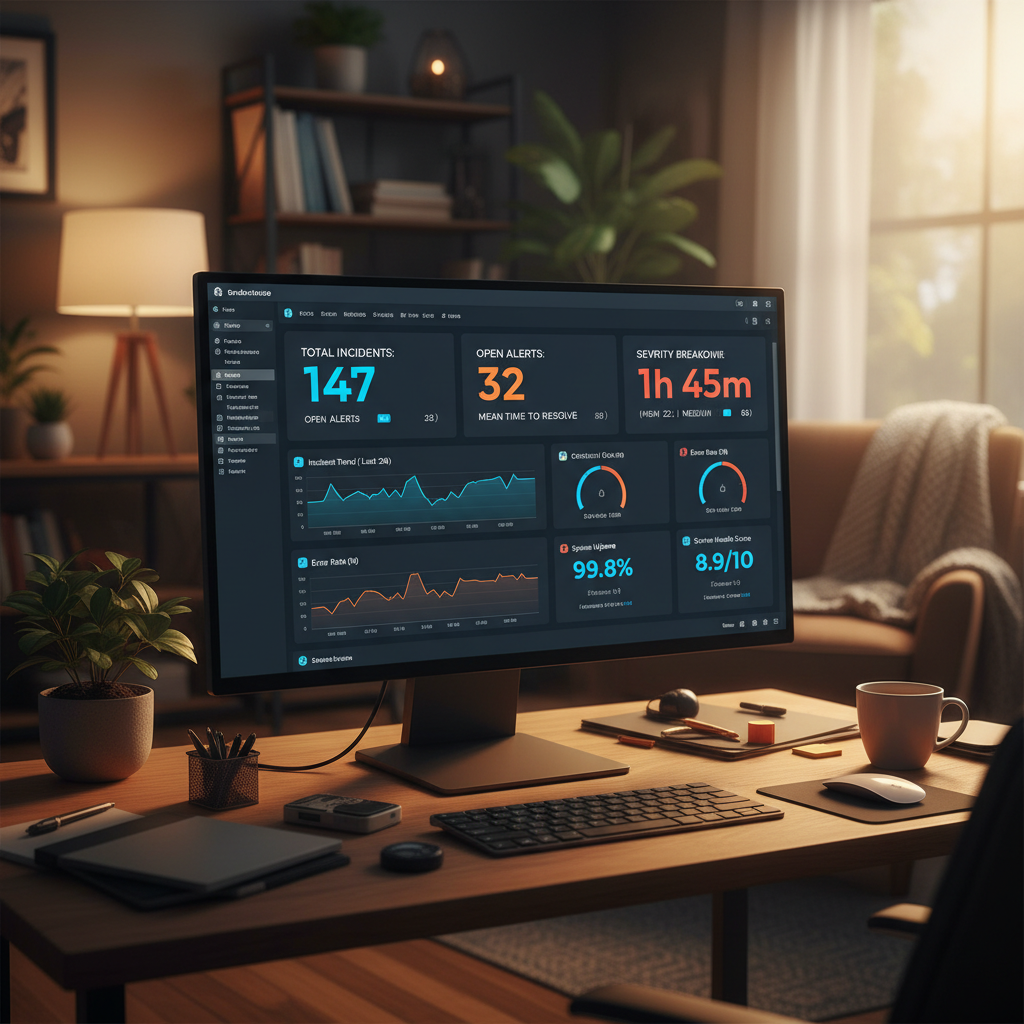
The postmortem that took three months to write — and why it mattered.
Most incident postmortems are written in the 48 hours after the outage, when the adrenaline is still metabolizing and everyone agrees on the timeline. The postmortem for the November database failover at a Series B fintech took ninety-three days. Not because anyone was avoiding it, but because understanding what actually happened required re-reading six months of Terraform change logs...
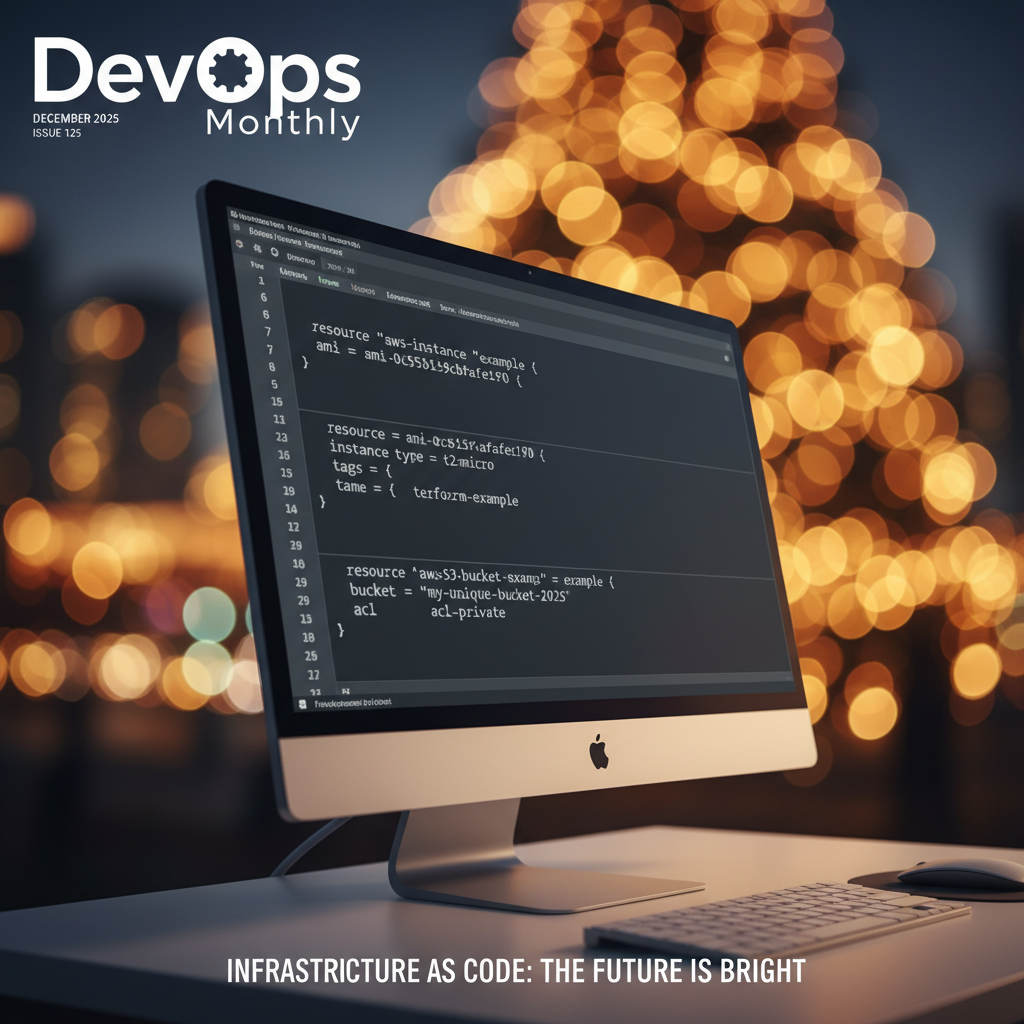
Inside the Terraform module that nobody wanted to delete.
The module was called 'legacy-vpc-bridge'. It had been in the repository since 2019, referenced by four production environments, and had exactly one contributor: an engineer who left the company in 2021. Nobody fully understood what it did. Nobody wanted to touch it. And when a routine AWS deprecation forced the issue, the team discovered it was quietly doing something critical that wasn't documented anywhere...
13 more issues in the archive.
Ungated. No account required. Just reading.
Real names. Real employers.
Real on-call scars.
Every contributor to Deploy carries an active pager or has recently retired one. No analysts. No consultants. No one who hasn't been in the incident bridge at 3 a.m.

Priya Chandrasekaran
Staff SRE
Stripe
Incident command frameworks
"Survived the 2023 global payment routing incident. 11-hour bridge."

Marcus Webb
Principal Platform Engineer
Cloudflare
Internal developer portals, Backstage adoption
"Rebuilt the golden path after a reorg dissolved the platform team mid-sprint."

Yuki Tanaka
Engineering Manager, Reliability
Mercari
Headcount justification, reliability team charters
"Wrote the business case that got reliability its own budget line. Took 8 months."

Daniel Osei
Terraform Core Contributor · HashiCorp (Alumni)
Module design patterns, provider internals
"Maintains the module that powers 3,000+ prod environments. Anonymously."

Aoife Brennan
Senior SRE · Intercom
Observability stacks, SLO culture
"Migrated 140 services to OpenTelemetry while keeping the pagerduty noise below 3/week."
What people write in the margins.
“Finally, something I can read during a postmortem retrospective and actually cite. The org chart analysis in Issue 9 changed how we structure our on-call rotations.”
Rohan Mehta
Staff SRE · Razorpay
“I forwarded the Terraform module deep-dive to my entire team and told them it was required reading before our next sprint. That never happens with newsletters.”

Camille Fontaine
Platform Engineering Lead · Leboncoin
“Used the headcount justification framework from Issue 11 verbatim in my Q2 planning doc. Got the two SRE headcount approved. This journal pays for itself.”

Tobias Krause
Engineering Manager · Zalando
“The writing doesn't condescend. It doesn't explain what Kubernetes is. It assumes you know what you're doing and treats the hard problems as actually hard.”

Seo-Yeon Park
Senior Platform Engineer · Kakao

Join the engineers
who read slowly.
One issue. Every month. No filler.
Incident postmortems from real production systems.
Platform org analysis from engineers who lived it.
Terraform deep-dives that respect your time.


4,200+ engineers subscribed